 |
 |
 |
 |
 |
 |
 |
 |
 |
|||
 |
 |
|
|||||||
 |
|||||||
 |
|||||||
 |
|||||||
 |
|||||||
|
|||||||





|
||||||
 |
||||||
 |
||||||
 |
||||||
|





 |
 |
 |
 |
 |
 |
 |
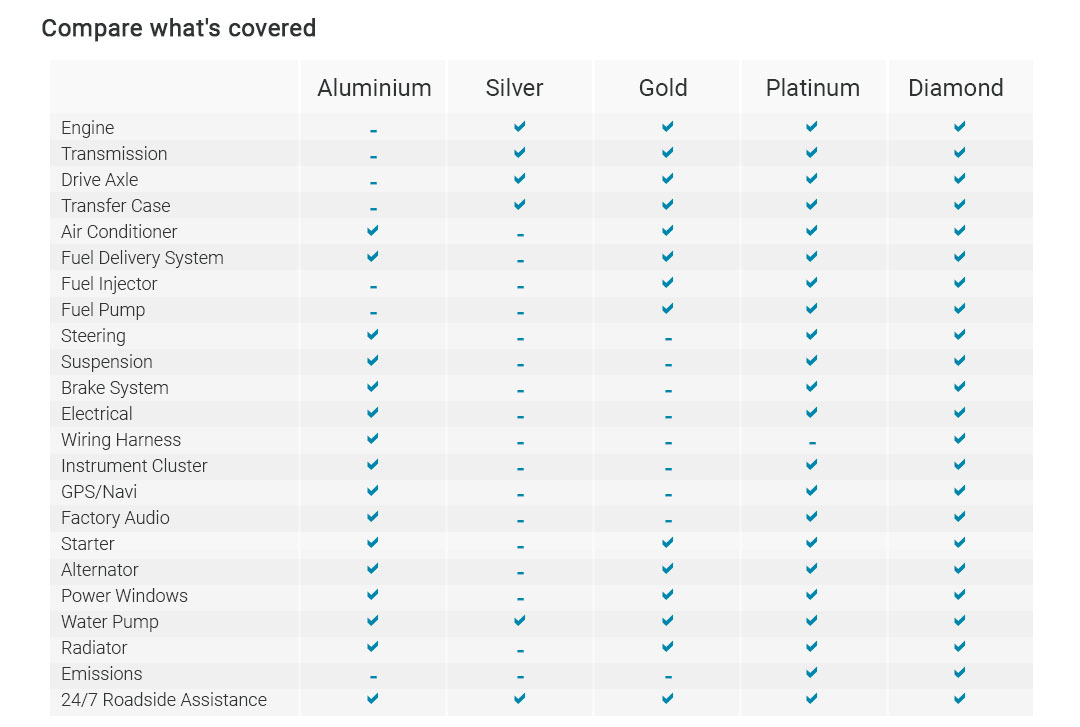
nissan additional warranty field notes for everyday driversI'm a practical owner who logs highway miles, keeps service receipts, and wants fewer surprises. That's where an additional warranty can smooth out the risk curve - no magic, just predictable rules and coverage that fits how you actually use your Nissan. What it is and why it mattersThink of it as extended coverage layered beyond the factory warranty. It can pick up big-ticket repairs after the basic term ends. The value isn't only in paying for parts; it's also in faster approvals, rental coverage, and a clear path when something breaks far from home. Quick snapshot: what's commonly covered
Where coverage usually stops
Real-world momentLast winter, my Rogue's front radar sensor went out of calibration after a slow parking-lot bump. The shop needed a road test, targets, and a scan tool session. My nissan additional warranty handled the calibration and rental for two days after a modest deductible; I kept working without juggling rides. Choosing a plan that actually fitsMatch coverage to how long you'll keep the car and how you drive. If you rack up miles fast, prioritize term length and mileage cap. If you're city-based with short trips, electronics and HVAC peace of mind might matter more.
Terms to decode before signing
Dealer-backed vs. third-partyManufacturer-backed plans usually integrate smoothly with Nissan dealers and parts, which can speed approvals. Third-party contracts can be cheaper and broader in theory but vary widely in claim hassle, approved labor rates, and parts quality. Read sample contracts, not just brochures. Keep the coverage valid
Costs and timingPrice shifts with model, mileage, and term length. Buying earlier often costs less because risk is lower. Rolling the cost into financing adds interest; paying upfront or comparing quotes can trim total spend. Deductible choice nudges monthly or upfront pricing either way. Transfer and resale angleA transferable plan (sometimes a small fee) can make your listing stand out. Buyers like predictable ownership, especially on feature-heavy trims with more tech to support. Edge cases worth checking
If you pass on itSelf-insuring works if you budget for repairs and maintain diligently. Some models are inexpensive to keep; others have pricier components where one repair equals the plan. Know your tolerance for downtime and unexpected bills. Light checklist before you say yes
The right nissan additional warranty should feel like a quiet safety net - unobtrusive now, useful on that odd Tuesday when a warning light appears and you just need the car back by the weekend, with room to adjust as your driving changes over time.
Main Topic:
Nissan Warranty
https://www.darcarsnissanofcollegepark.com/blogs/3489/whats-included-in-nissans-2023-extended-warranty/
This extended protection plan offers coverage for over 800 components. Coverage under the plan is limited to critical vehicle components such as ... https://www.nissansouthmorrow.com/nissan-security-plus-extended-warranty/?srsltid=AfmBOooDOYtZht6fRh72jfyKDEwvtnEyOmHhnGobLV1K_xjTAUX3GjVo
While the factory warranty secures you from hassles for the first 36,000 miles or three years of ownership, a Nissan Security+Plus plan extends this protective ... https://www.mausnissantampa.com/a-look-at-nissans-2024-extended-warranty-coverage/?srsltid=AfmBOoqUaDBdiOsu-cdUN5xXSf_tzZe93cEvnNsmeRYo5rJAICGseCC5
What to Know - Nissan's extended coverage covers up to 120,000 miles or 8 years - Buyers can choose from different coverage options including ...
|
